
ARTIST OF THE MOMENT: Marco Maldarella
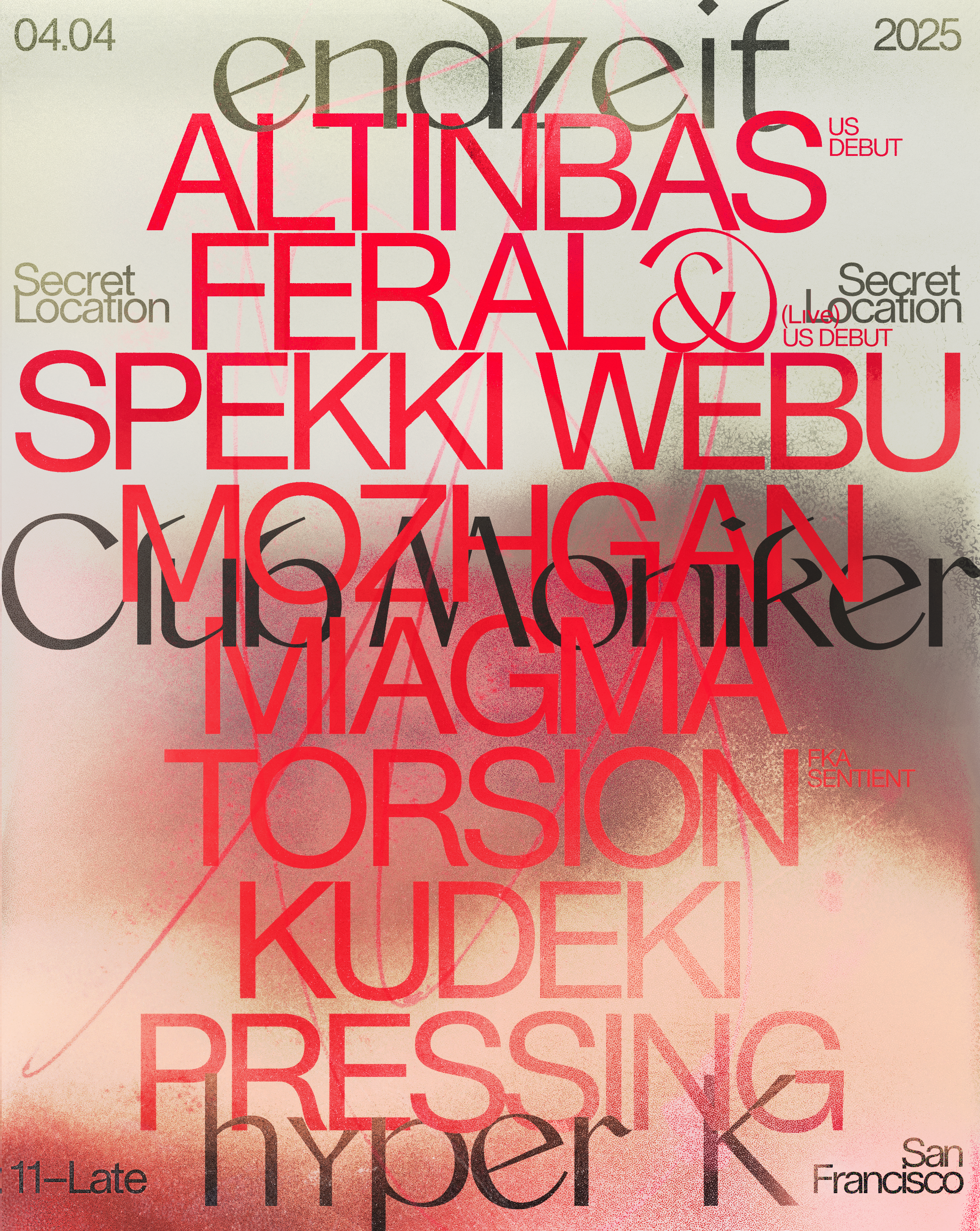
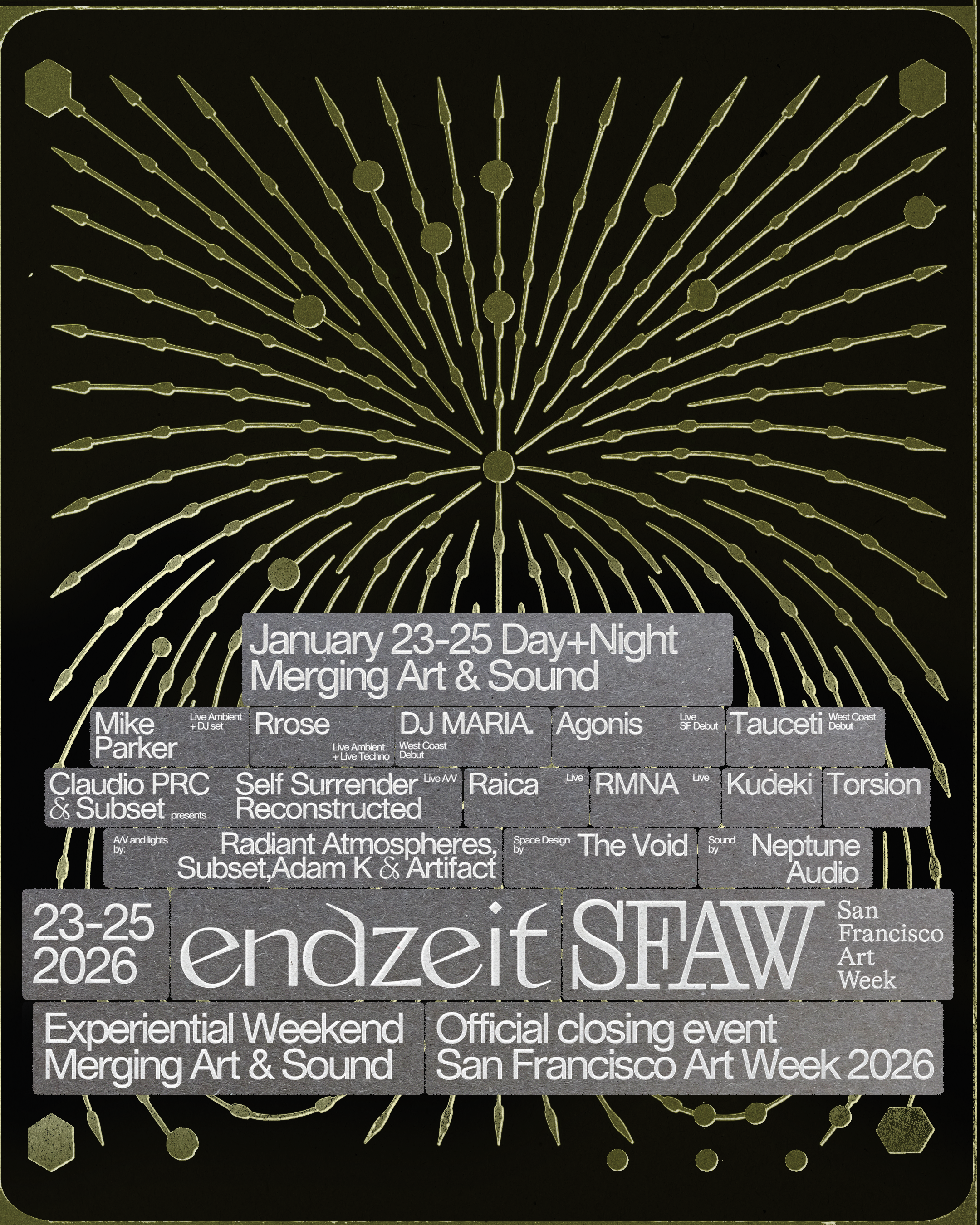
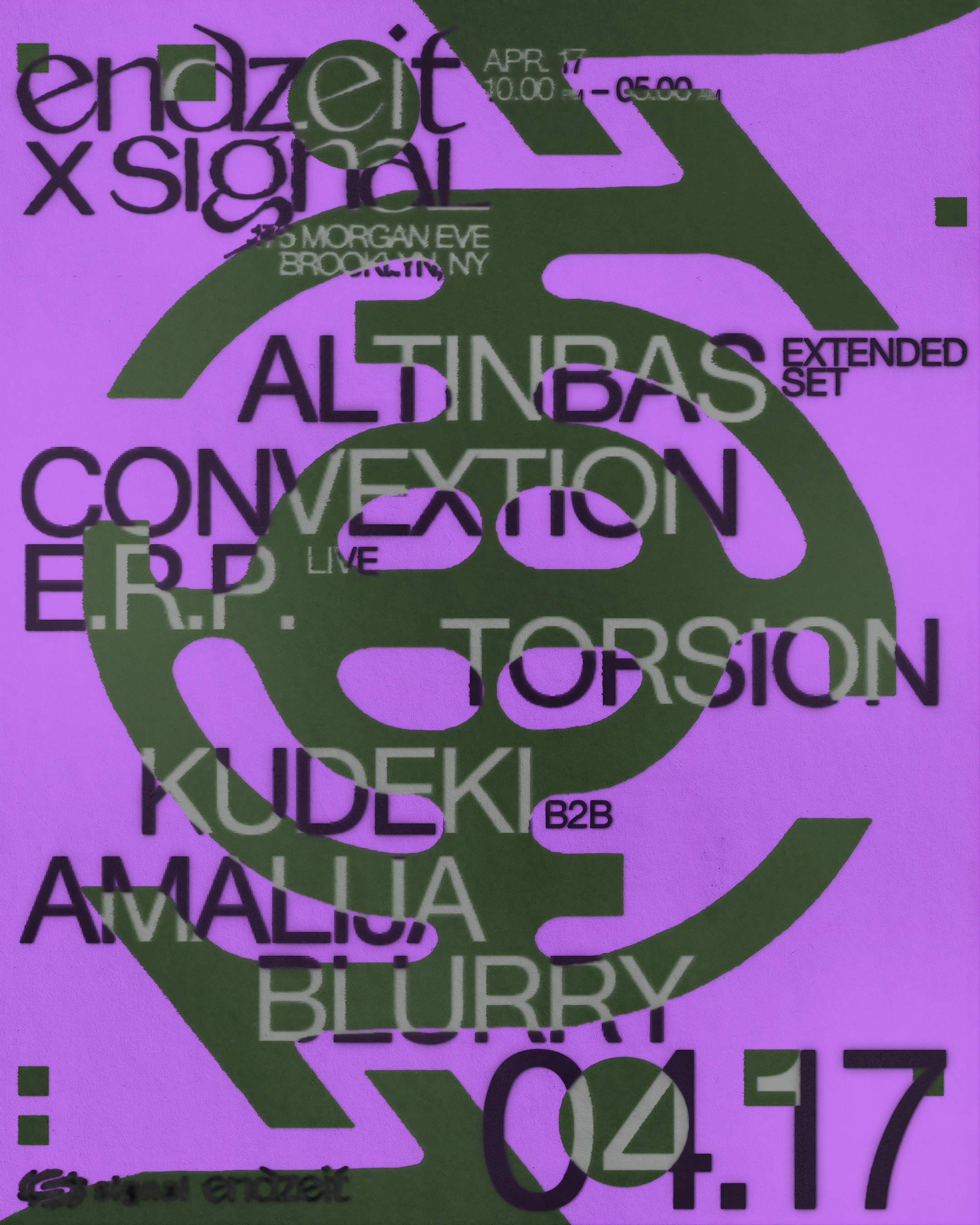
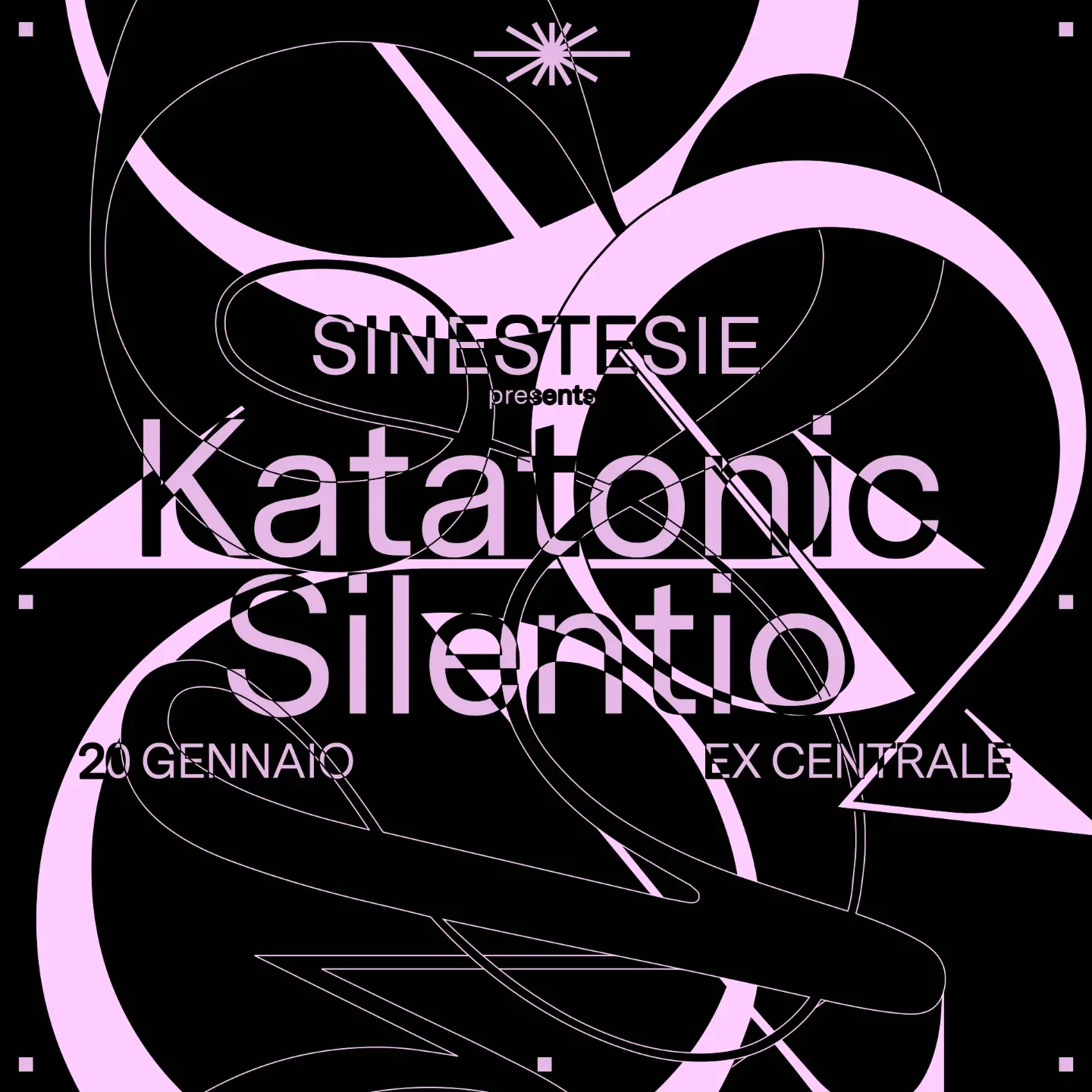
To celebrate the release of his sophomore solo body of work, I sat down with an artist I’ve admired from afar & have recently gotten to know, Marco Maldarella. A prolific & multifaceted creator based in Bologna, Italy, Marco’s work ethic resembles that of a cephalopod, gracefully juggling a variety of impressive artistic pursuits all at once. When he isn’t spending time in the studio or on tour for his solo project, he is bouncing around between a collaborative project under the guise of Marmo, putting together events in Bologna as part of the Sinestesie collective, or working on a vibrant catalog of graphic design work which can be seen throughout the scene on event flyers & mix artworks for beloved platforms such as Endzeit, Introspective Electronics & many more.
Marco’s journey began in the world of live music, originally a musician & later taking the plunge into the world of experimental electronic music. His Marmo project, with friend & longtime collaborator Christian Duka, materialized from the mist almost a decade ago after the two played together in bands. Inspired by live jams, they’ve put out a number of releases over the years, most recently an EP on Hagva’s Stagno Records.
With the Marmo project serving as a creative springboard, Marco’s natural next step became the pursuit of his own solo project which started to take shape publicly around 2021. He caught the ear of Woody92 & has now released 2 spectacularly immersive albums on the ever-relevant & awe-inspiring Omen Wapta. Having just returned from his longest tour yet, an immersive trip across Asia, Marco & I chatted about his latest album, the origins of his project & sound, as well as his background in musical sub cultures & the scenes in his native Bologna.
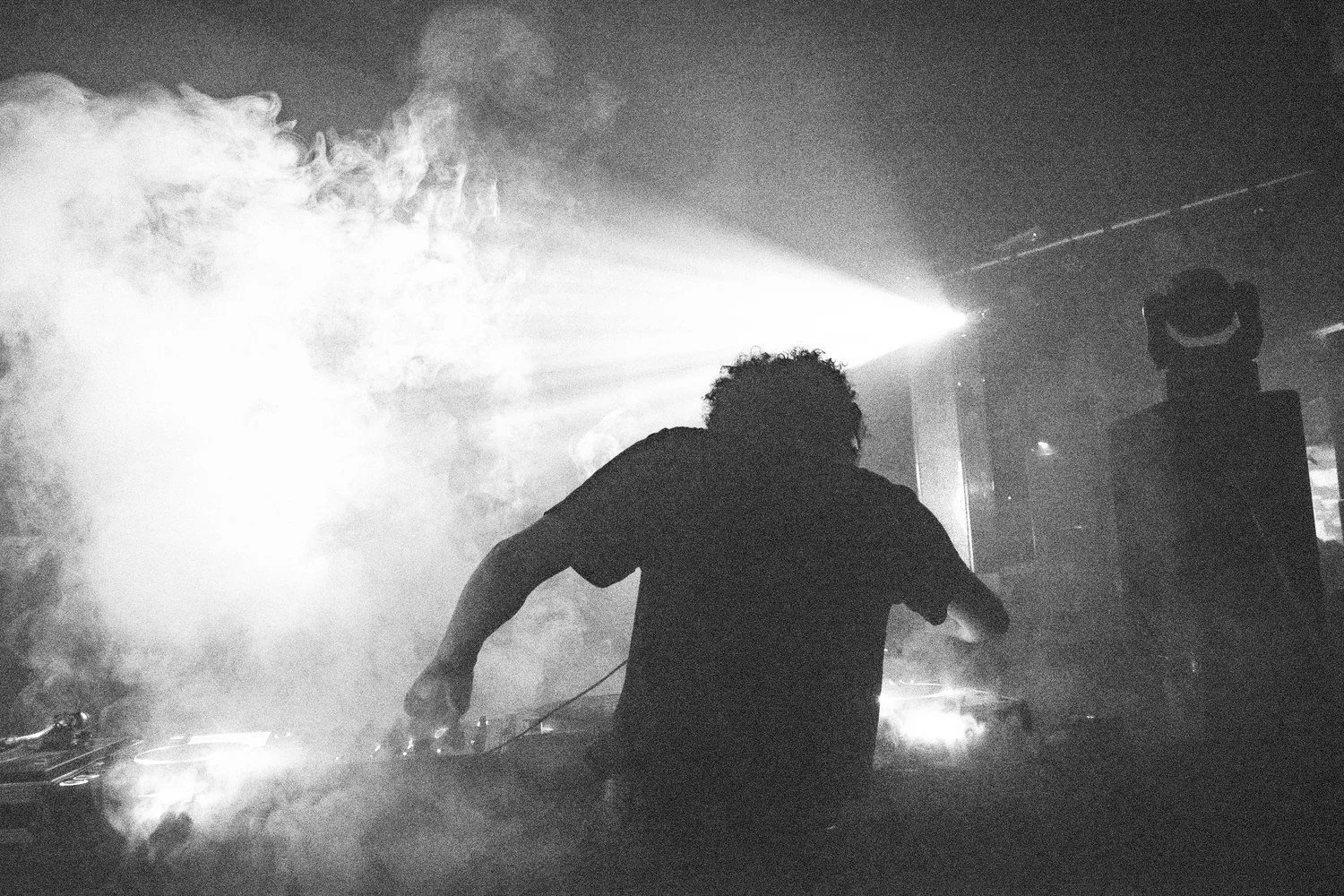
Take us through the process of putting together your latest work ‘Silent Logic’. Overall, what was the goal & intention with the album? It’s an impressive 20 tracks, three times more than your ‘Clinamen’ release in 2023. Did you set out to create such a large body of work initially?
Silent Logic began almost immediately after Clinamen. There wasn’t a master plan at the beginning. It started from a very personal need to gather and reinterpret everything I had been creating over the past few years. I had dozens of one-take synth sessions, fragments, unfinished sketches, and a huge amount of unreleased material buried in hard drives going back to 2019. At that time I was also working in a shared studio in my city with a lot of analog gear, recording long improvisations that I never properly revisited.
During the pandemic, when clubs were closed and dancing disappeared from daily life, my relationship with music changed. I started producing in a more introspective way, listening again to genres I hadn’t touched in years. In a way, Silent Logic became a process of re-entering those abandoned spaces. I wanted to rework that material without polishing away its rawness. The intention was to find new rhythmic pivots and emotional balance through sound design, while keeping the original tension alive.
The double format happened naturally. I originally sent 38 tracks to Woody, and it became clear that this wasn’t going to be a short release. The 20 tracks selected felt coherent as a sequence, but that clarity didn’t come from me alone. Woody played a fundamental role in shaping the final form. In several cases, he was the one insisting that certain tracks were stronger than I thought. Sometimes I would send him something almost casually, and he would hear depth and potential that I wasn’t fully aware of.
I think he has always seen something in some of my ideas that I tend to underestimate. His perspective helped me recognize the weight of certain pieces and let them take their place in the album. The order also emerged gradually. Over time, the tracks began to suggest their own flow and the length was the result of selection, dialogue, and trust.
You mentioned to me that you used to play in a band, with Christian Duka from Marmo, & came from the progressive metal scene before getting into electronic music. Can you tell me a bit about that scene in Italy? I’ve always had a feeling that the metal / hardcore / punk rock scenes have a lot of overlap with our corner of techno & experimental electronic music. Is there a feeling of familiarity for you when you compare your experiences with both genres throughout your life?
What I remember most is how Italy felt before 2019, 2020. It was a genuinely different world. Spaces actually existed. Real spaces. In almost every city there was someone doing something worth following, something being built with real intention. Not everyone was a DJ, not everyone called themselves a musician. That distinction mattered. People who were actually committed to something were recognized as such. The best stages weren't clubs. They were self-managed spaces, squats, independent venues. Imperfect, raw, but alive in a way that's hard to describe now. And what made those places work wasn't just the music or the people, it was the sound system, the free-space and the people behind it.
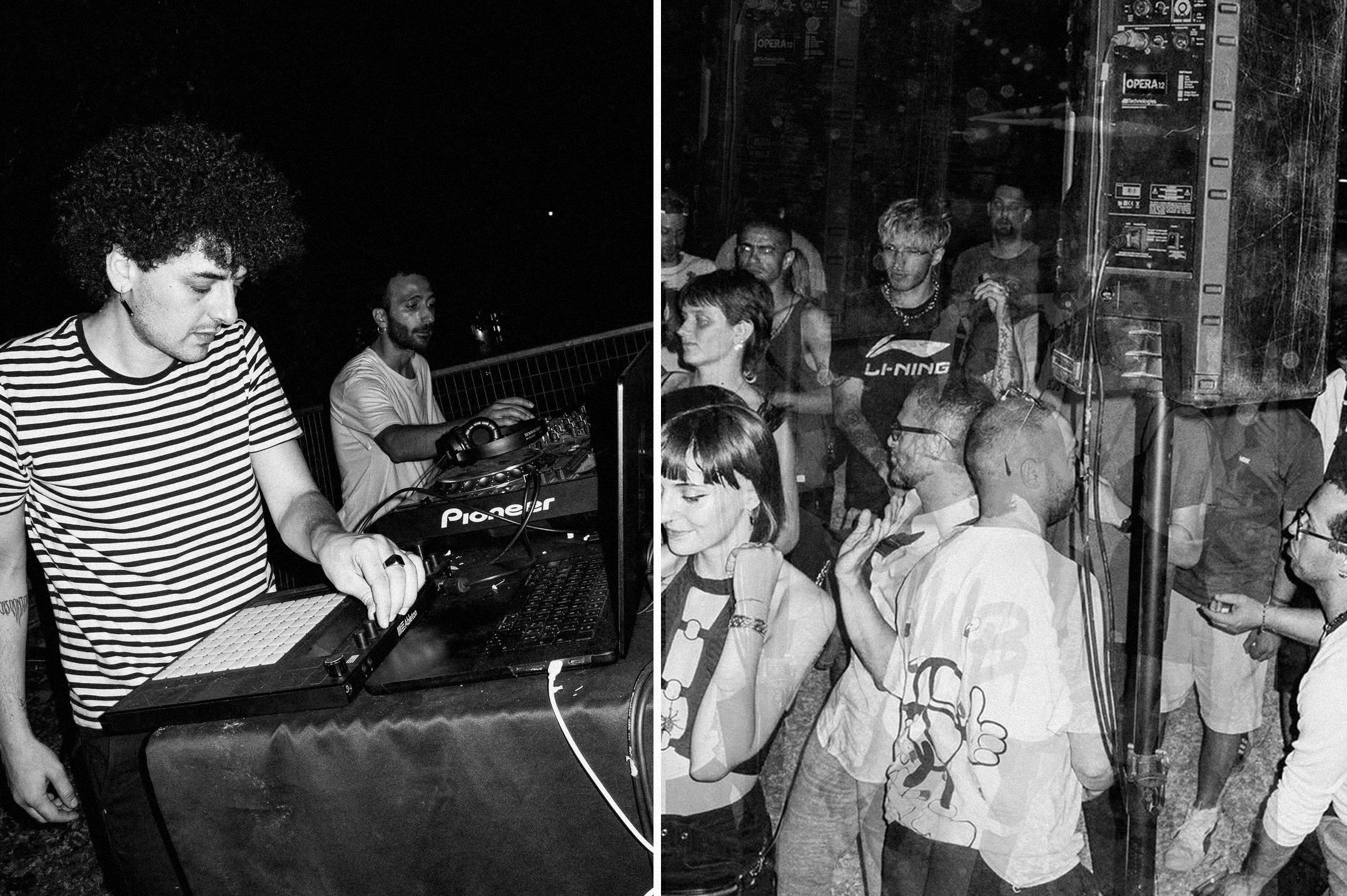
Hybrid b2b with Abo Abo at Sinestesie Open Air in Bologna, 2025
What I also remember is that those spaces didn't belong to one genre. On the same night, in different rooms, you could go from live music to something completely electronic, or experimental, or whatever didn't fit anywhere else. There was no separation between scenes in that sense in my city. The common thread was the intention, the political beliefs, not the style. People were there because they wanted to hear something real, regardless of what it sounded like, and feel part of that. You played close to people. You felt the room breathe and sweat. That sense of community was real in a way that feels harder to find now. Music was something you shared physically, in a room, with people who had chosen to be there for the same reason. What I remember more concretely is that around 2016, 2017, Christian bought the first audio interface so we could record our own demos. That was the first time I started doing anything myself. I learned to write drums on a computer simply because recording real drums was too expensive. There was nothing philosophical about it. That's just how it started.
And then practically, growing up & real life just made it harder. University, work, everyone moving at different rhythms, or moving to different cities. Getting five people into a rehearsal room at the same time became genuinely difficult. I think that's honestly one of the main reasons I started working alone, or with very few people. But something from that world stayed with me. The idea that music is first a communal and physical act. That a cadence can move through a room and connect people to something they can't quite name. Honestly, yes I do see similarities between them. And I think it comes down to the same word for both: need.
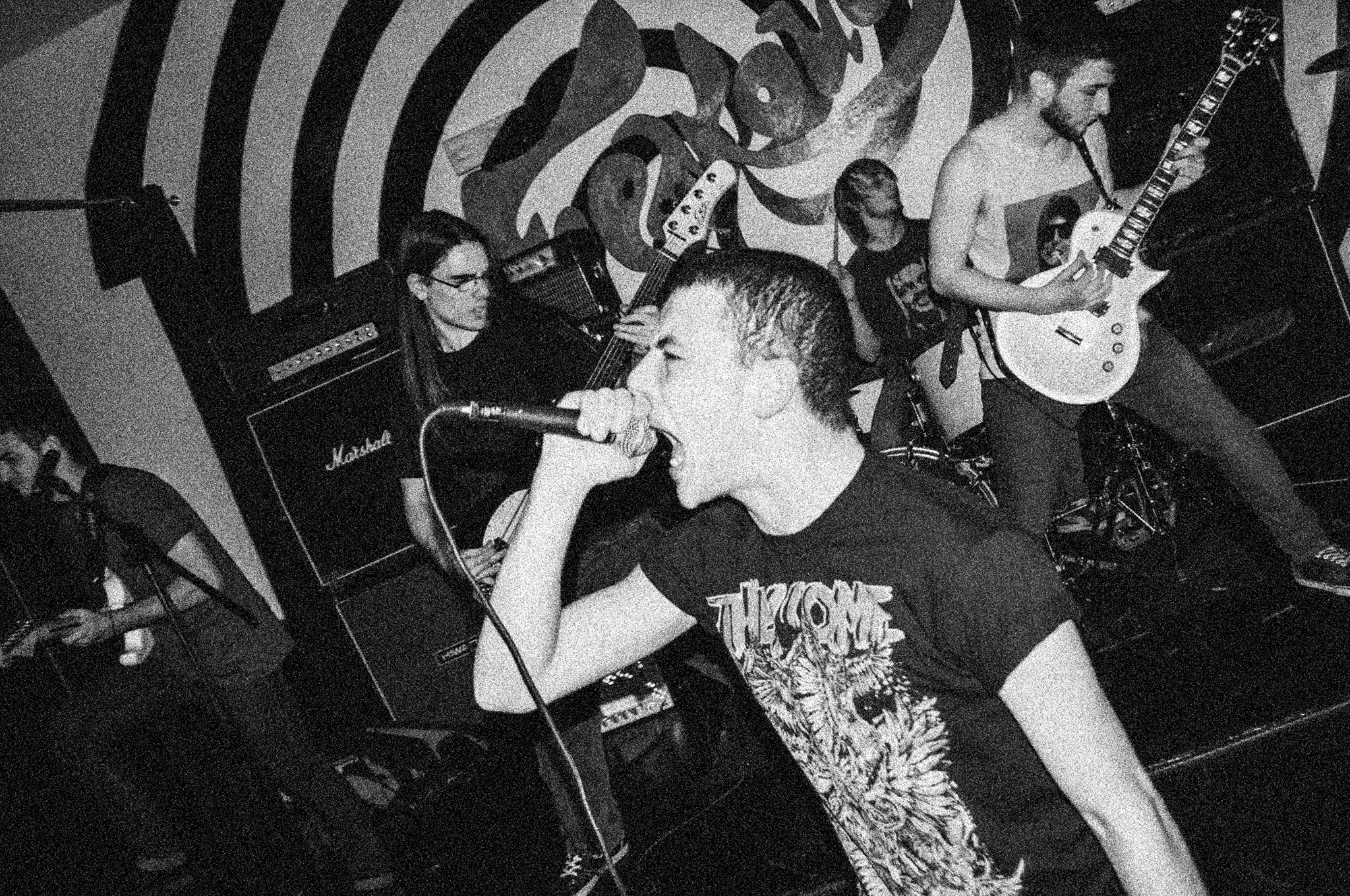
Marco circa 2013
In the hardcore punk and metal scene, nobody was there because it was fashionable. You were there because you needed it. The music answered something that nothing else did. The techno and experimental electronic world I eventually found worked the same way. The people building it were doing it out of necessity, not ambition. In Italy, at least in my city and the area I grew up in, there has always been a very clear dividing line between music and places for ‘rich’ people and music for the marginalized. I always belonged to the second group. And for a long time, a real techno scene didn't really exist where I was. What existed was the effort of a few individual promoters bringing big names from abroad occasionally. Meanwhile the clubs, the actual established venues, were running house music and commercial stuff that I wouldn't even call EDM. It felt frozen in time, completely disconnected from what was actually happening elsewhere.
The real shift for me happened at university. During my second year, I went to London and Berlin for the first time. That changed everything. Because up until that point I thought I was already finding the interesting stuff, listening alone at home with headphones. Then I walked into those cities and realized I had been working with very limited material. Even the record shops back home, the ones that were supposed to represent niche culture, were selling dusty house music that had been repackaged as something underground. It wasn't. It was just the local version of the mainstream, slightly delayed ahah.
That experience of absence, of growing up without real access, is something I completely share with people who grew up with punk or hardcore in similar places, as indeed many of my old acquaintances who still make music now make electronic music. You build something of your own because nothing else exists yet. That familiarity is real. The need to find or create a space that reflects something true about who you are.
What brought you to the sound you're known for today? This deep, textured, rhythmic, & ethereal techno that’s fast but also slow. Was there a specific 'aha' moment that stands out in your memories? You’ve now released two albums with Woody92’s Omen Wapta. How did you & Woody first cross paths?
Around 2016-2017 something changed in my city. There was a wave of big festivals and for the first time the clubs started shifting their attitude too. It lasted until around 2019 but during that window I had the luck of seeing almost any kind of artist you could imagine, even in very small venues in my city (like Freakout Club, XM, Zona Roveri, TPO, Ateliersi). Most of these place don’t exist anymore, or they don’t exist as they were.
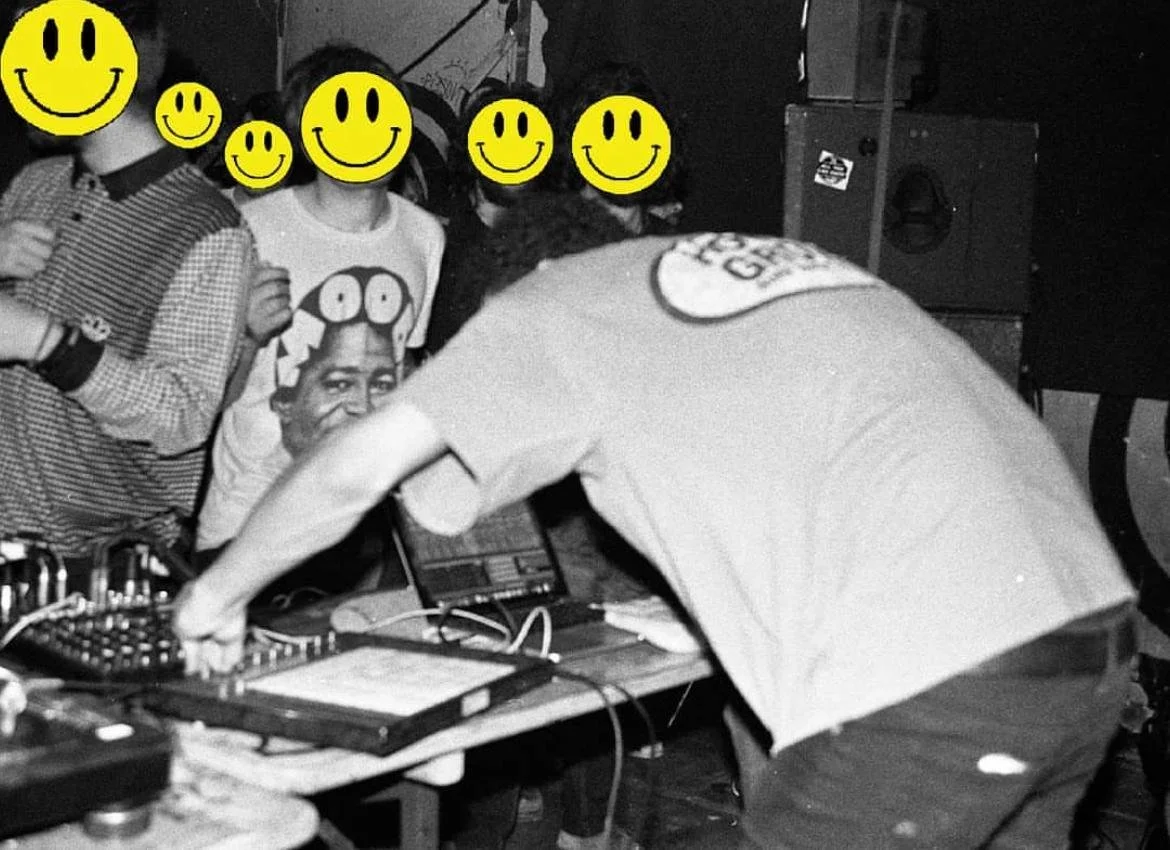
Photo by Andrea Brugnera - XM24 2019 Bologna
The textures and drones in my music come directly from that period. I had gone deep into extreme music, through sludge and post-metal, and arrived at bands like Sunn O))), the side projects of Justin Broadrick, Isis, Neurosis, Ulver. What struck me about that world was that the focus was completely removed from technique and placed entirely on sound, atmosphere, and feeling. When I heard Kangding Ray's Amber Decay for the first time I fell in love with the idea that there could be techno that I liked. And that it definitely wasn't the techno they called in my city as Detroit techno, ahahaha. Something clicked that hadn't clicked before. I dug more into Raster Noton, and all the complex ambient music that I could find. After that I started pulling the thread backwards. I discovered the deep Italian techno roots much later, already at university. I actually found Voices From the Lake by looking at who had mastered the first EP by Abdulla Rashim. Then I connected everything, and I re-discovered Brando Lupi's The Attitude on Dozzy Records, a track I heard during a warm-up that blew my mind.
Another artist who made me realise that there is a way to do even very cliquey music, like the house music they played in my town, but your own way, is Prince of Denmark with all of his aliases. I was really obsessed with him and all his work, which ranges from drum and bass to ambient to trance techno… Discogs definitely helped me a lot in all this. So the sound I make now is really the sum of all of that. The obsession with atmosphere and weight of the poly-rhythmic complexity and progressive structures. I came to the deep techno Italian heritage relatively late, but that gave everything a new framework. I had already been producing for years before Omen Wapta existed. I had released things with Christian under Marmo, and I had also published music under my own name at some point, only to delete everything impulsively after a while because I wasn't happy with it anymore. Marmo's sound had become increasingly experimental after our first experiences in clubs. We got tired of techno very quickly, and that made it genuinely difficult to find the right spaces to perform. Nobody really knew where to place us.
The real space I found came through building it myself. During the pandemic, Abo Abo and Amanita invited me to join their collective, Sinestesie. I had already been to some of their parties and they had already asked me to play live. They were Sunday gatherings in city living rooms, an itinerant party designed mainly to give conservatory students and the small community of electronic musicians outside the club circuit a place to perform live and experimental music. During the pandemic these gatherings became more dance-oriented, and being on Sunday afternoons meant less competition with clubs and other crews. Most importantly it gave us complete freedom to push a sound that other collectives wouldn't touch. That freedom mattered a lot, because even the first times I played DJ sets in clubs I never felt free. It was always either a warm-up for whoever came after or a continuation of what the previous DJ had played. Older promoters and DJs had very rigid rules about tempo, influences, genre. There was no room to move.
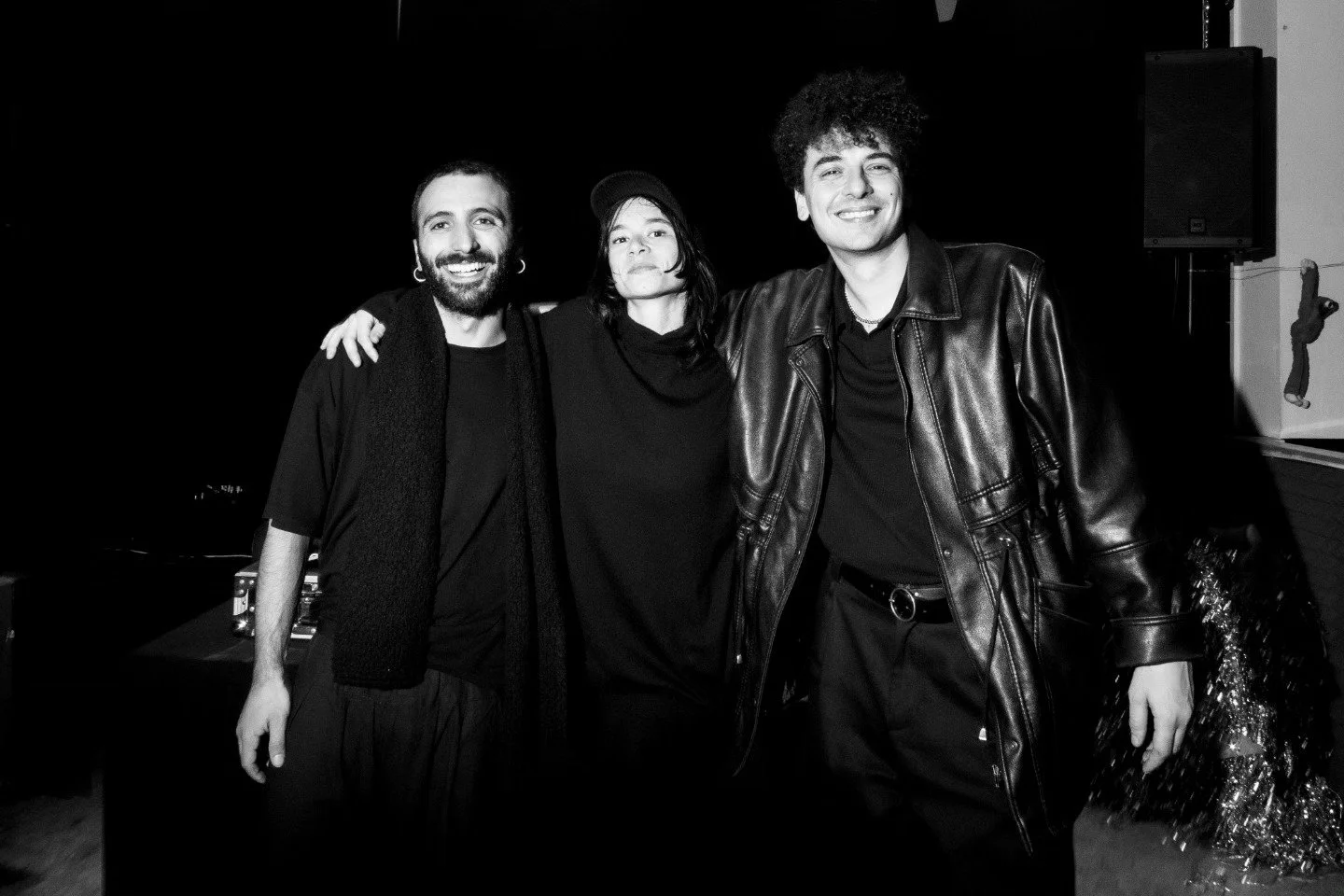
Bologna’s Sinestesie collective (pictured left to right: Abo Abo, Amanita & Marco)
Spending more time alone in a shared studio and in my room, I had collected a bunch of demos somewhere between hypnotic techno, dub, and deep. I was already proud of my sound design and my compositions, but I didn't feel the need to release music that I still saw as too similar to artists I admired too much. It didn't feel necessary yet.
Then something happened almost by accident. On one of those tracks, which later became Negative Friction, the first single I released after years on a Various Artists for my friends' label Materica Records, I tried listening to the synth takes in Ableton’s repitch mode by halving the tempo. It was something I had done before to create ambient atmospheric patterns, or to find the lowest octave of a pad, or that Christian and I used to do live to create more complex grooves, since older computers seemed to breathe better and weigh less on the CPU at slower BPMs. What completely shocked me was how differently the effects behaved at half time, and how much more space existed in the thirty-seconds to add the off-beat details I loved so much. I then tried bringing a track that had been recorded at 128 BPM up to around 160, 165, but keeping Ableton running at 80, 82.5. I can't fully explain it, but it became an obsession. I kept adding layers because there seemed to be infinite space at that speed, and even with a straight kick everything else arrived softly, with a weight that felt completely different.
Around that same time, through Sinestesie, we started booking artists we liked. In January 2023 we booked Katatonic Silentio. I was completely shocked watching her attach to the warm-up at a standard beat pace and slowly descend all the way into half-time. I had never heard that music on a dancefloor before. She played a flood of tracks I had in my listening playlists for years, tracks I genuinely didn't think you could play in a DJ set. The end of that set almost made me cry. I still remember it was Schwebende by Konsudd. I asked her after the set what it was, and that's how I discovered Amenthia. A few months of digging later, I found Aa Sudd’s Mostra set on soundcloud. I don't know how many times I listened to the segment where Evane by Loek Frey comes on, and finally I found the release on Bandcamp.
I found Woody shortly after, just listening to sets on SoundCloud. When I wrote to Woody sending him a demo I didn't even think he would reply. I tried first with a more experimental track. He complimented the production, the mix. Then I took a risk and sent him the track I had been obsessing over. At that point only the Floid record had come out anywhere close to that sound, the other releases on Omen Wapta were more abstract and experimental, so I genuinely didn't think he would connect with it. He replied something like: “man, this is the music we're going to be playing for the next five years”. It felt like a joke to me, because I had sent that same track to other people and almost nobody had understood it. Saying it was ‘too fast, too slow, unplayable, I don't know what to follow’.
From that point the dialogue continued, and that summer he told me he wanted to release my music. That changed everything, both in terms of how I produced and how I performed. I wanted to play exactly what I wanted without compromise, and so I did. And what surprised me further was that other friends, DJs and producers, started writing to me saying they were also passionate about this new wave. The community that formed over the next few years, scattered between Bologna, Florence, Venice, and Milan, grew exactly like that. Sending each other music, swapping dates, building something without anyone having planned it. The support and trust I received from people I had known for a relatively short time, such as the guys at Opificio, De Rio, or other artists like Formant Value, Pianeti Sintetici, Tadan, Spekki Webu and the friendship I found in these people meant everything to me.
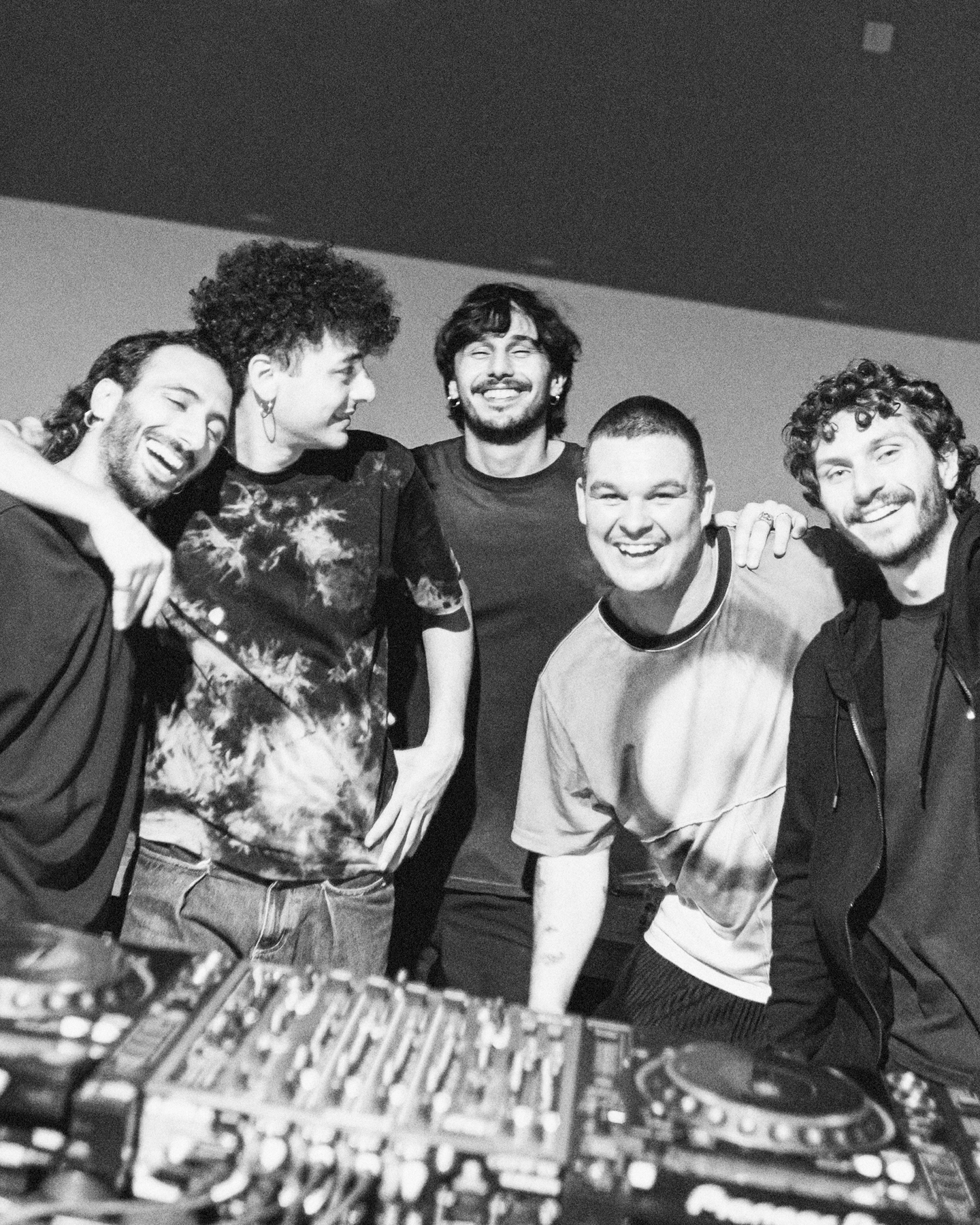
Pictured left to right: Abo Abo, Marco, Tomo, Woody92 & Tommaso Ciaranfi (Cairn Agency)
Shifting gears a bit, I’m curious about how your graphic design work & your studio work relate to each other. I’ve found both creative pursuits to be very symbiotic in my own experience, is that something you agree with?
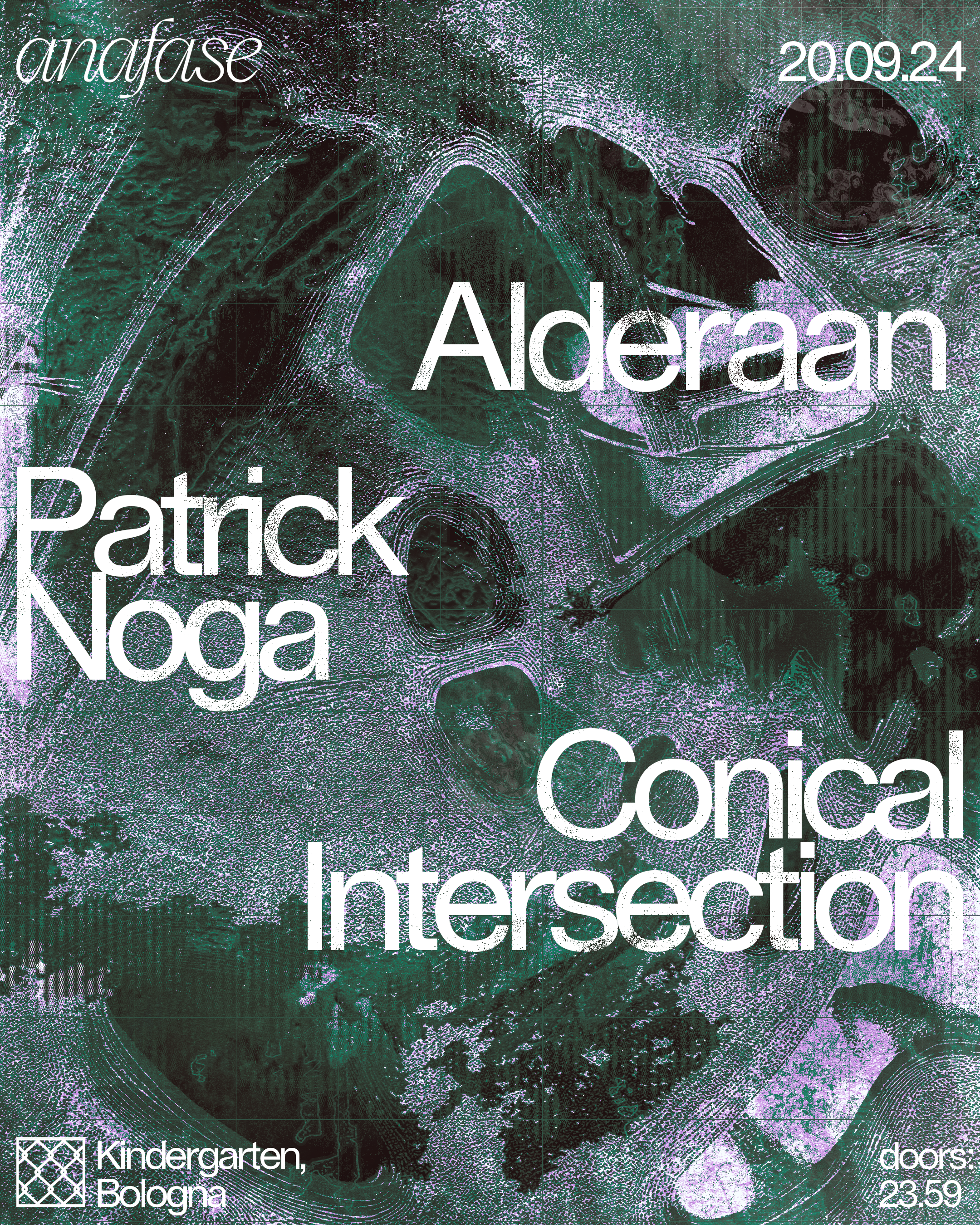
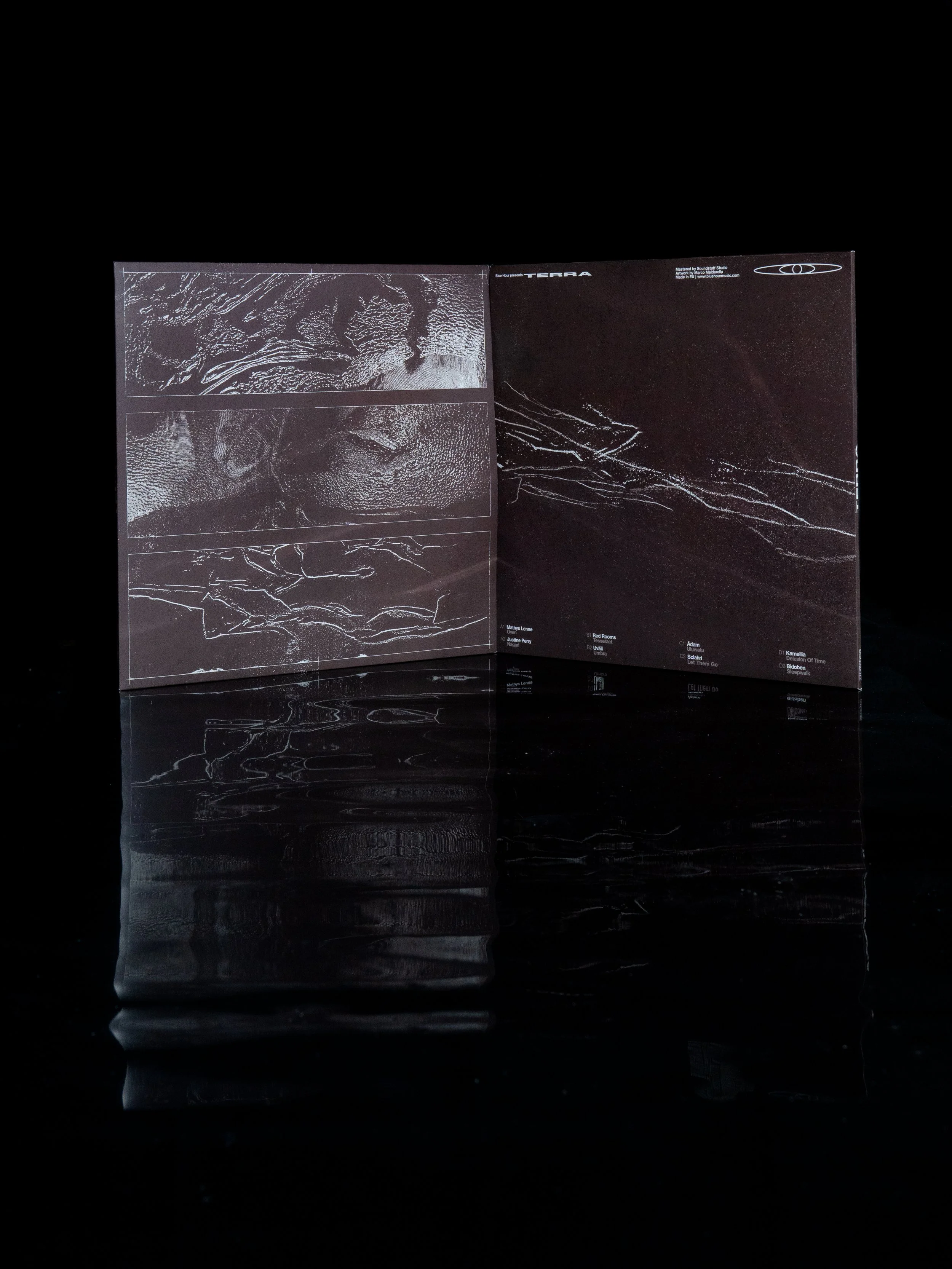
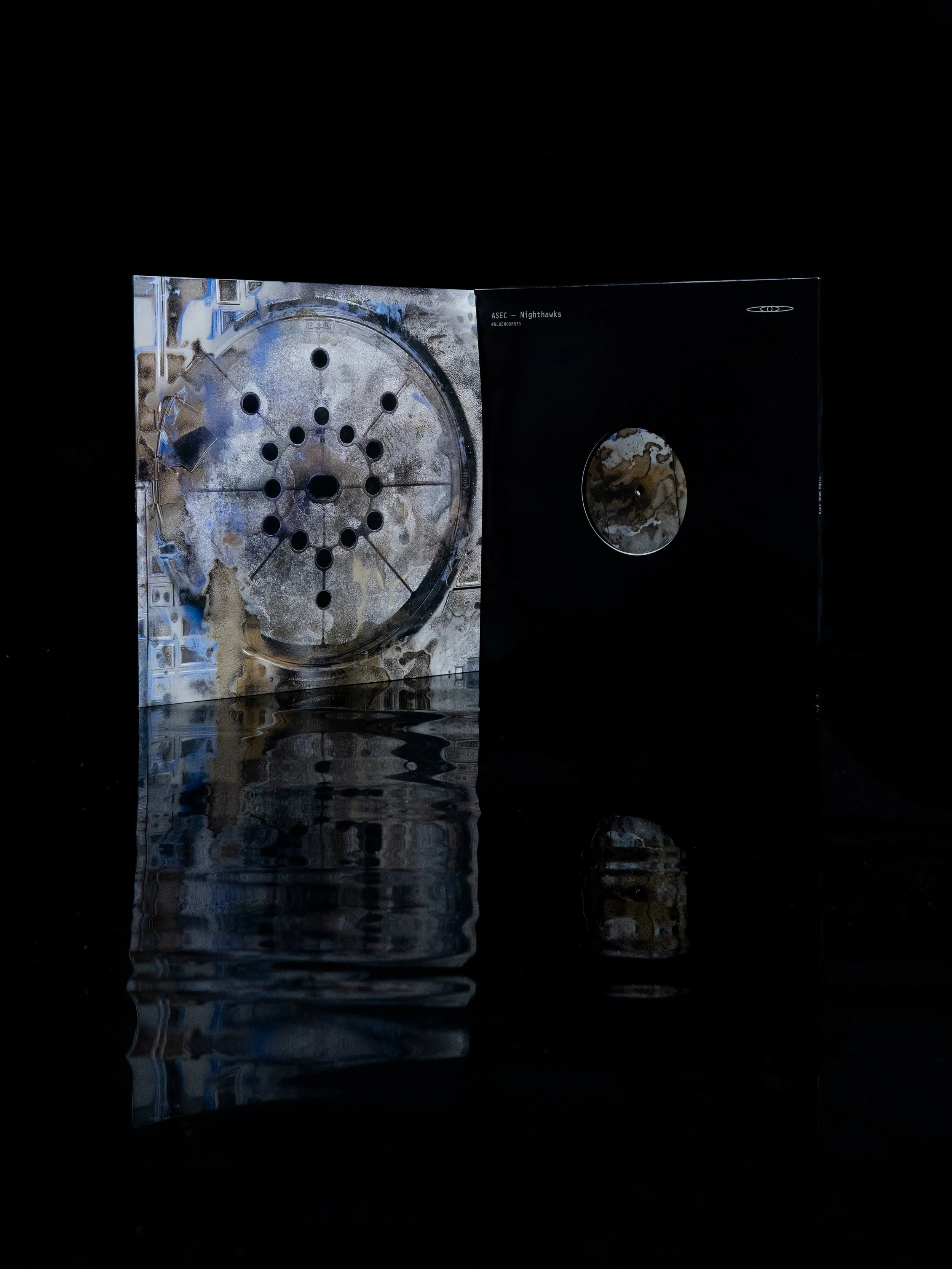
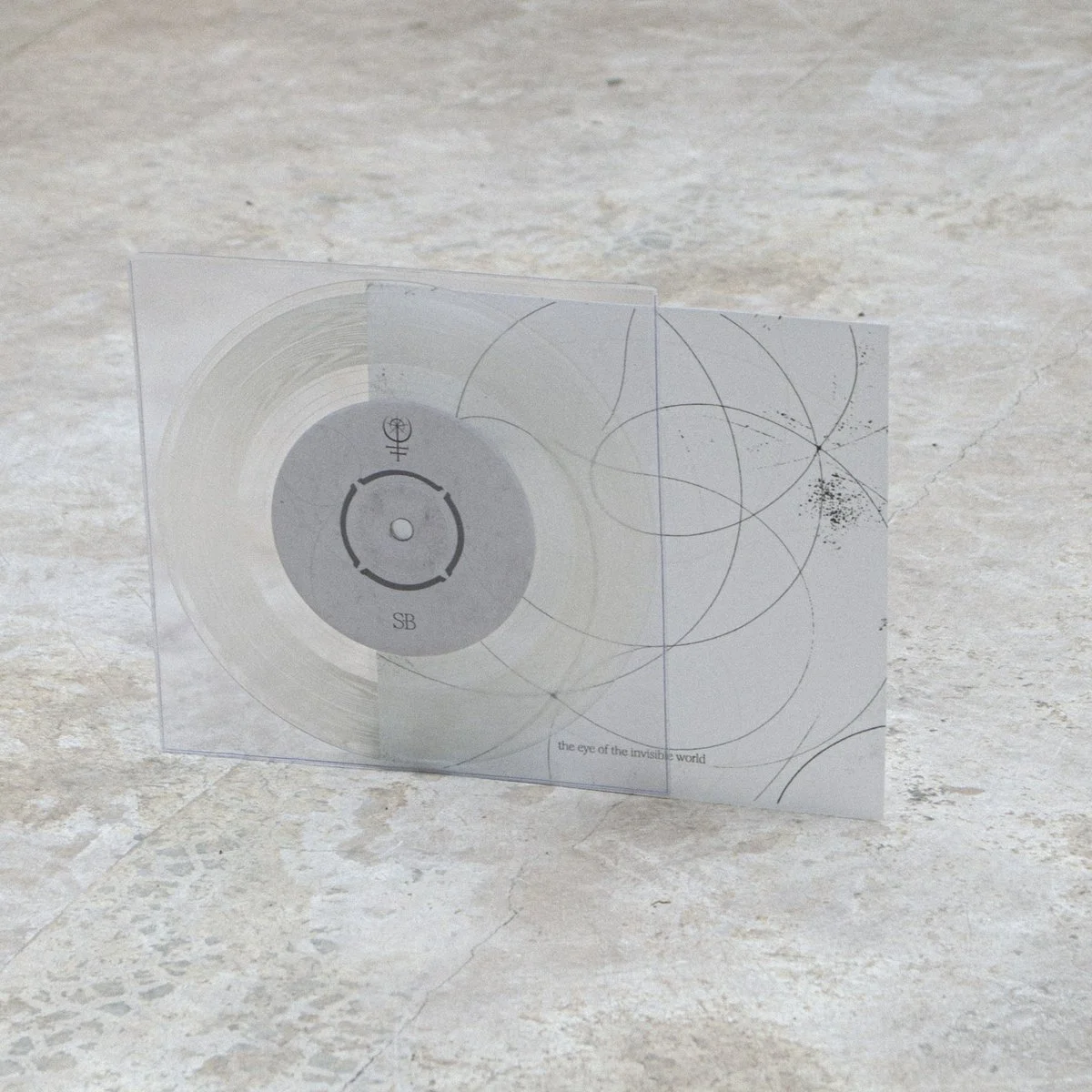
I make bold choices in design. I push systems to their limits instead of treating them as sacred structures. I’ve been freelance since 2017, working in the creative field in Italy is an endurance exercise. The industry often gives more weight to the list of brands in your portfolio and to expensive educational backgrounds than to the quality of your work and real aesthetic impact you generate. Access to certain universities is limited and financially demanding, and that creates a cultural hierarchy around pedigree. This produces environments where self-belief becomes fragile. Legitimacy is often tied to institutional validation rather than to actual influence.
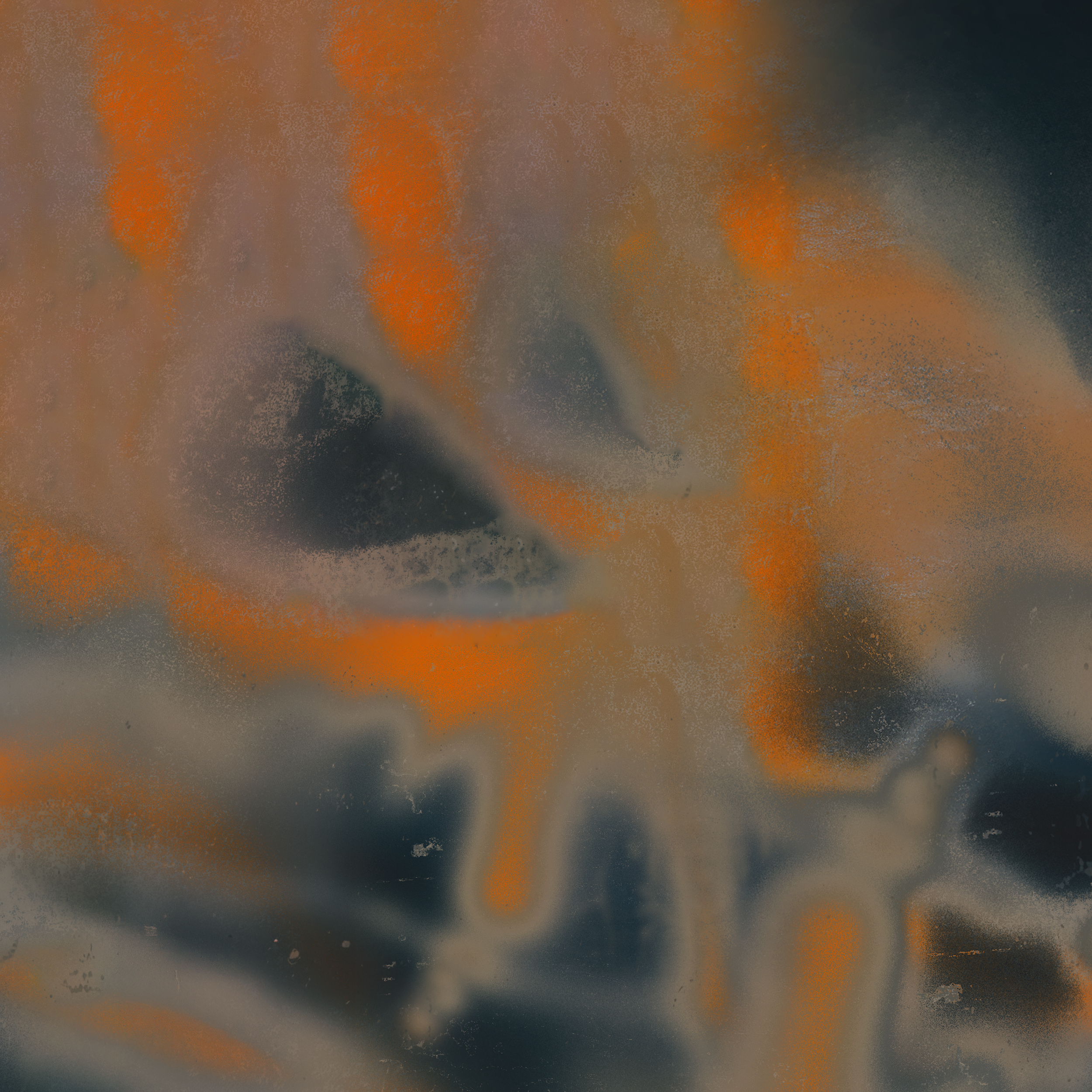
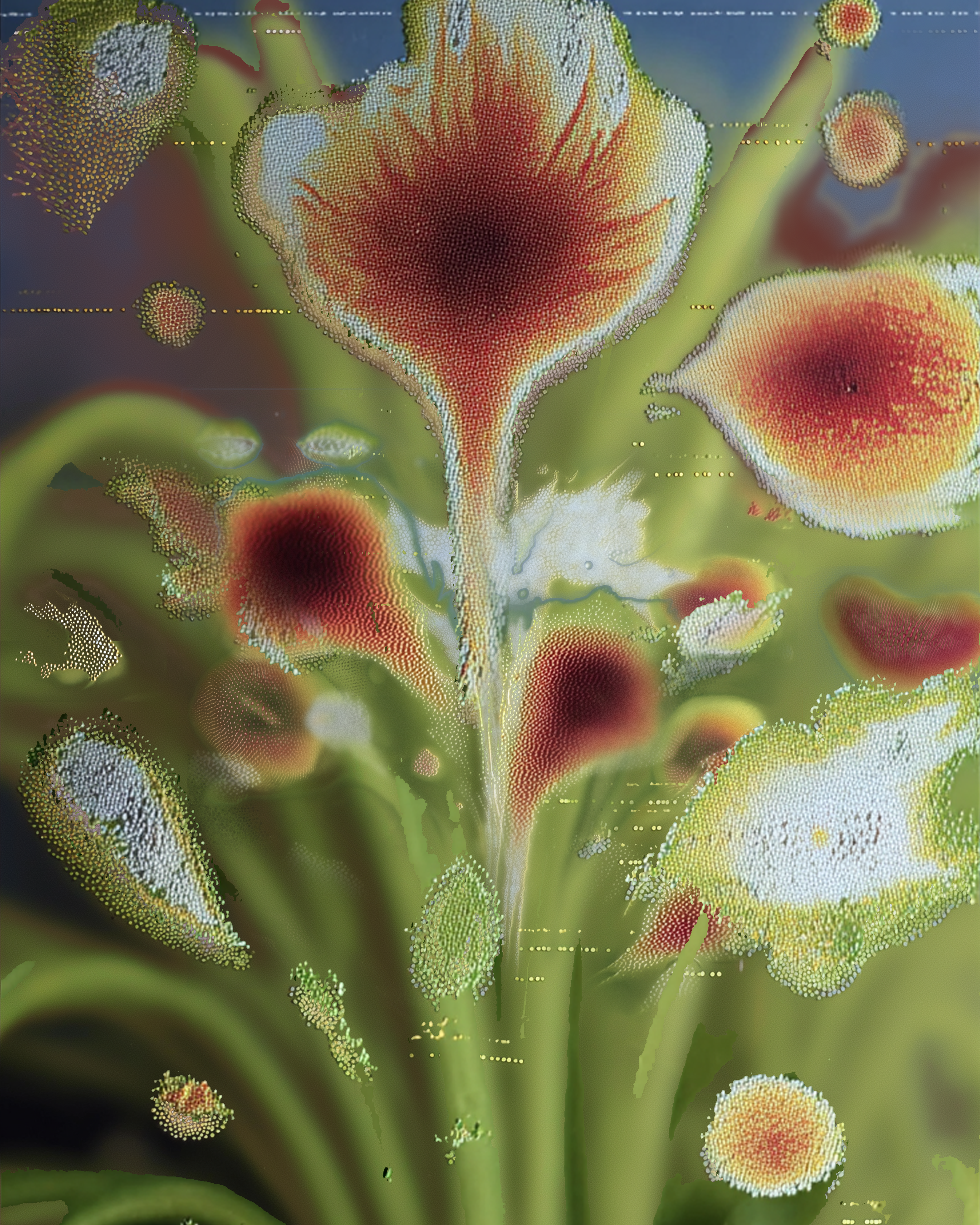
At the same time, influence shows up in different ways. You see your visual language circulate. You see solutions you developed reappear elsewhere. You recognize your contribution to a wider aesthetic conversation. This tension really shaped me. In my visual work, two forces coexist. I’m deeply drawn to the logic of Swiss graphic design, to grids, hierarchy, clarity, structural precision. I need a system that holds everything together. Inside that system, I introduce friction. Texture, controlled density, subtle references to post-2000 visual culture. These elements add pressure and depth to the structure. The result is a balance between rigor and intensity.
In music I follow the same approach. Knowledge of history, technique and structure forms the foundation. Once that grammar becomes internal, the structure can be bent and stressed. Rhythm, space and texture become tools to create depth rather than decoration.
I feel they are simply two languages that belong to me. They couldn’t exist independently. I listen to music while I work. I make music to empty my mind after work. One feeds the other in a very direct, practical way. They are two languages that belong to the same inner space. Without one, the other would lose meaning.
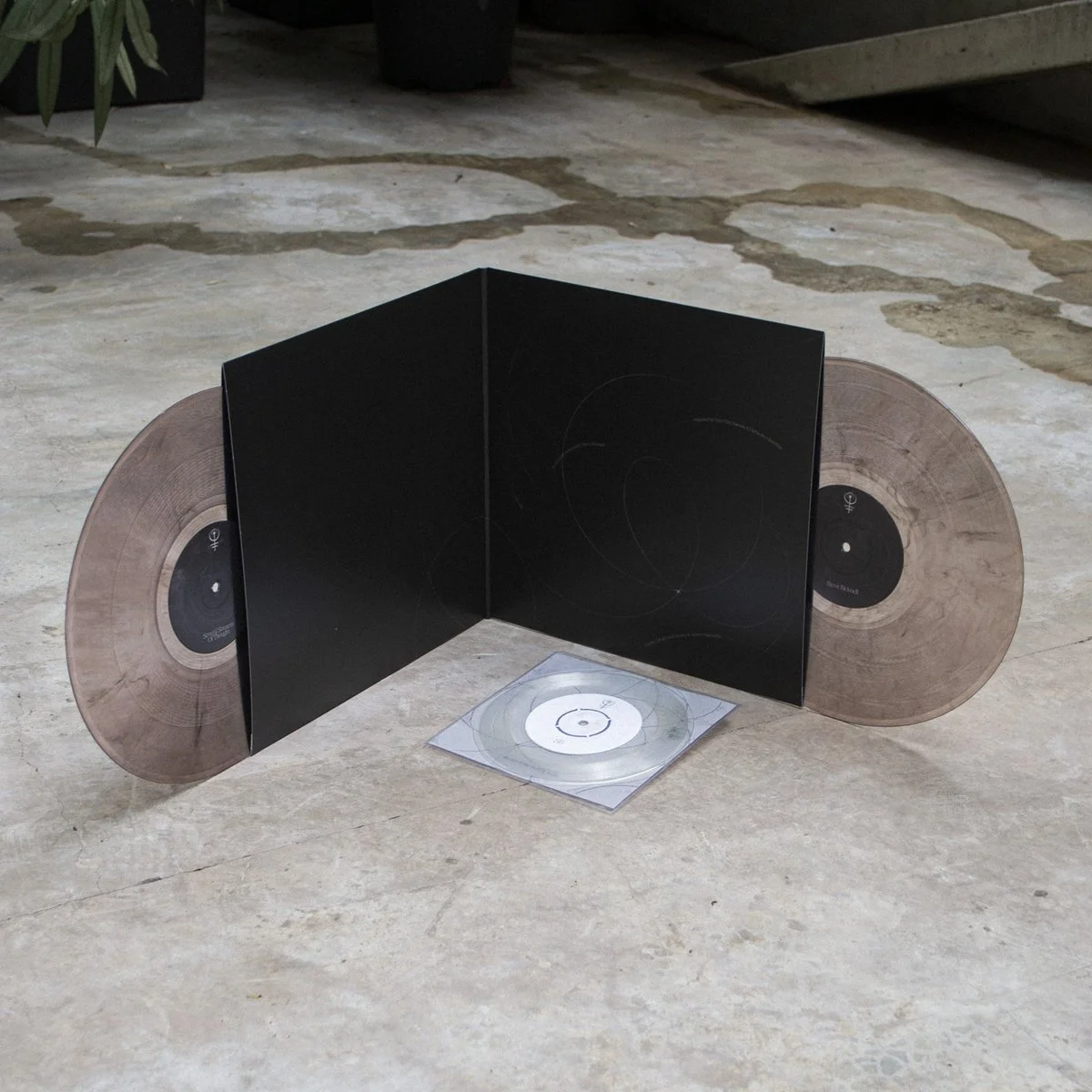
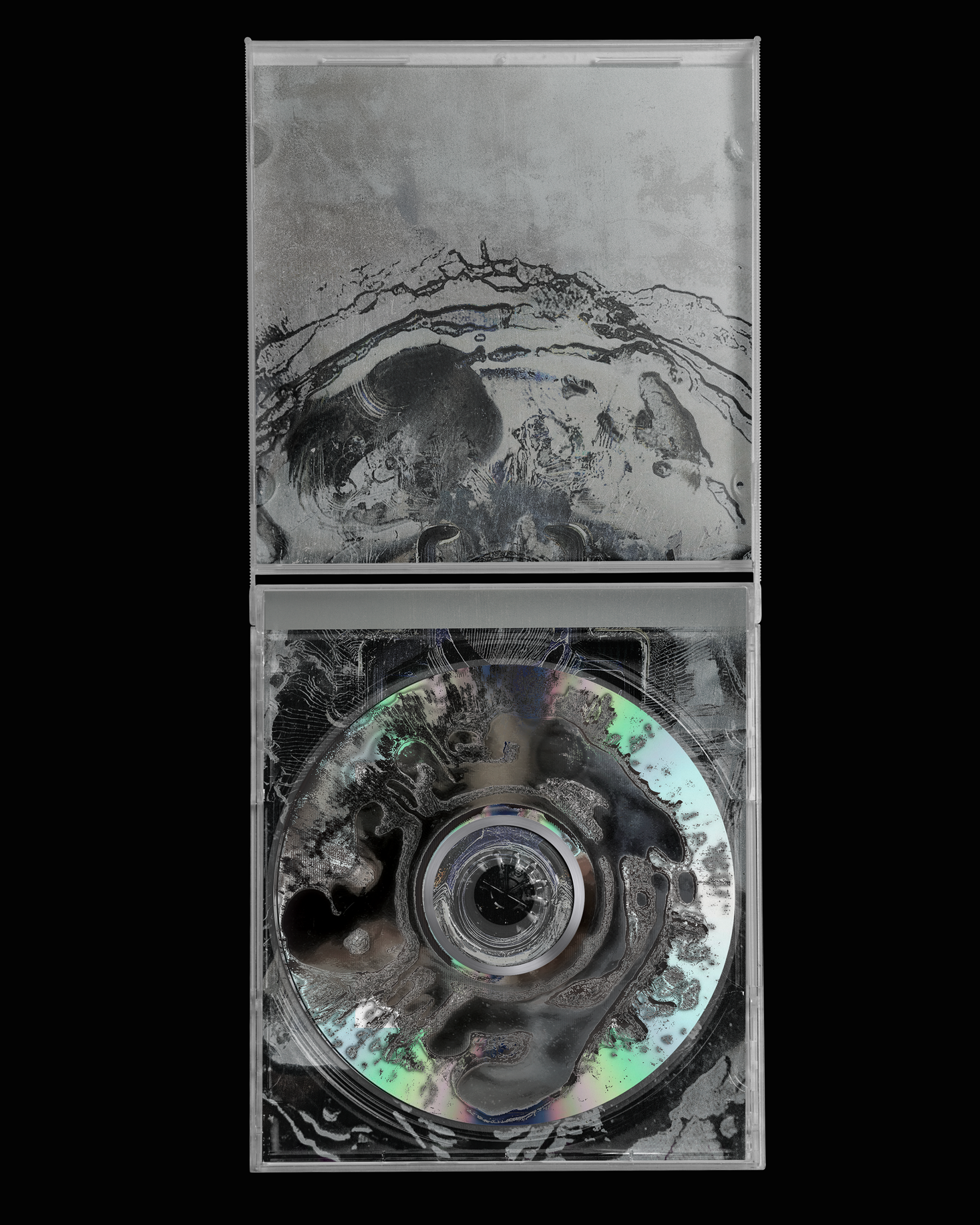
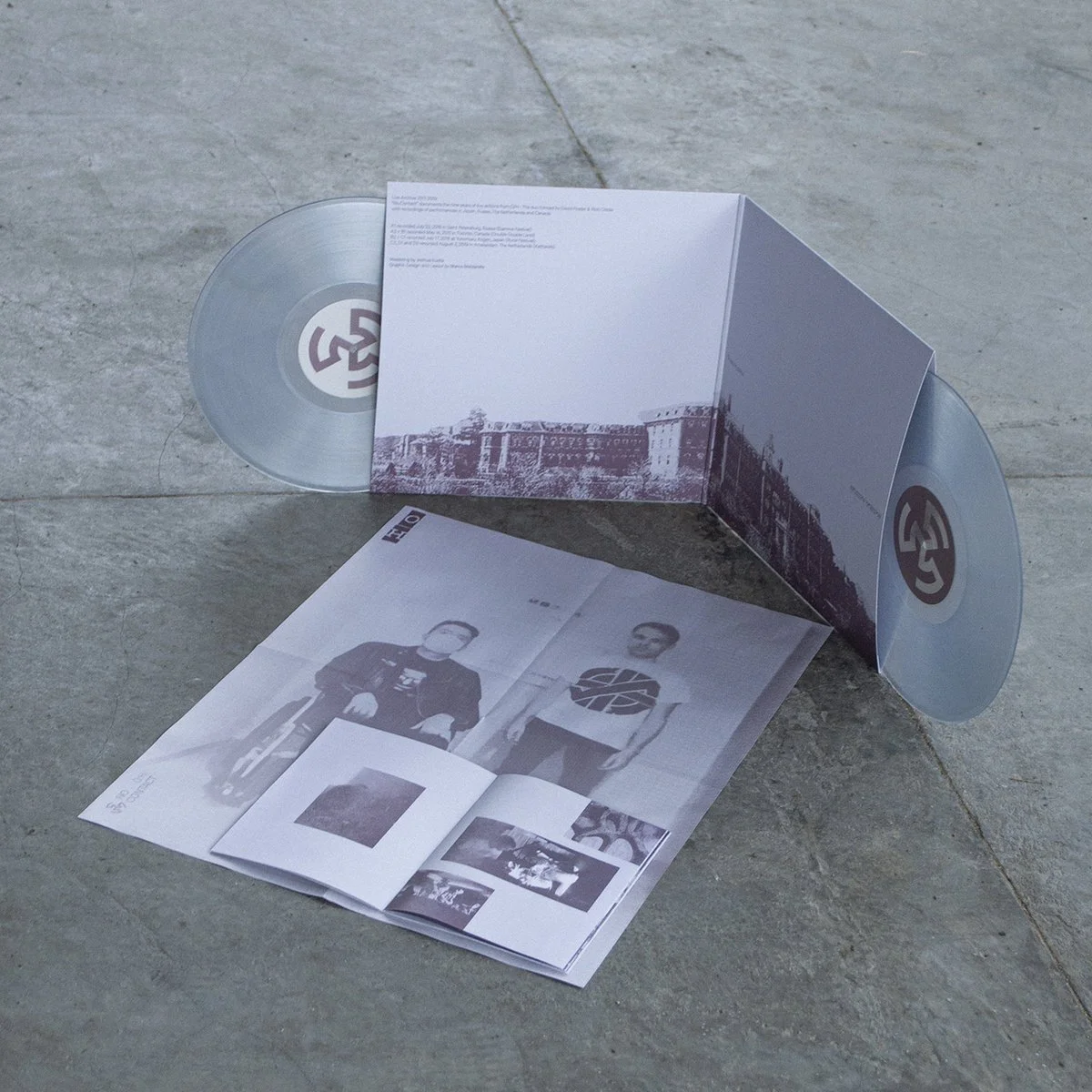
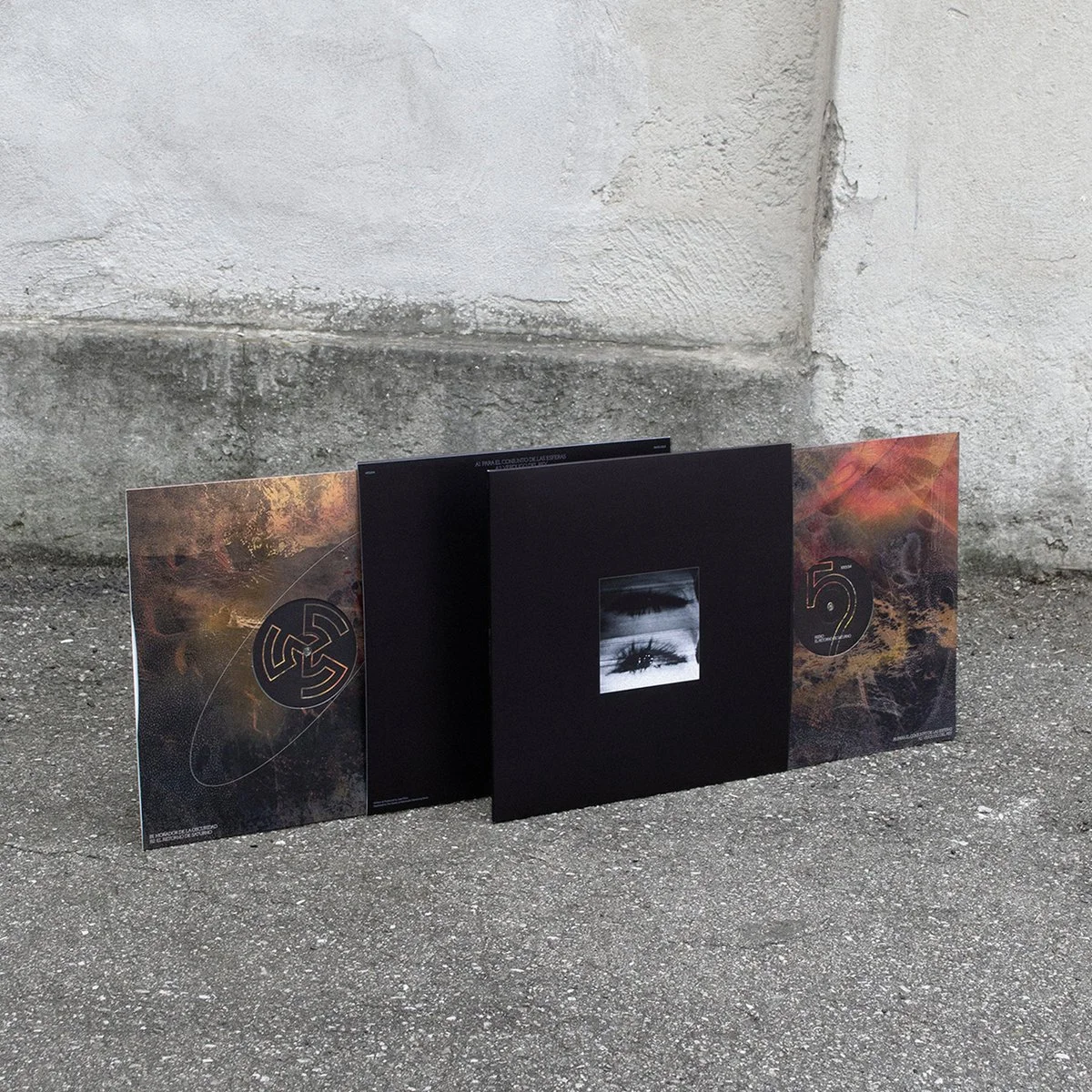
Lastly, you’ve just returned from a tour in Asia & mentioned to me that it was the longest period of time you’ve been on the road - how was the experience? What are some of your takeaways / highlights?
There's really a lot to say, and probably not enough space to cover it all. What you find online about life there is just the surface. People in the big cities are way more open-minded and free than expected, and the directness and sincerity I experienced, especially in China, is something that stays with you.
Underground there actually means something real. Everyone in a club takes their role seriously, the selectors carry the music as a personal story, digging and research are not things people talk about to sound credible, they are necessary. The sound systems were the best I have ever played on anywhere - not about loudness, but about precision where you can actually hear every detail as it was meant to be heard.
The most honest takeaway is that while I was out there I heard sets with my music and music from my friends in them, stuff that maybe we still underestimate back home. It was a reminder that the work we do travels further than we think, and that sometimes you need to go to the other side of the world to actually hear it back.